The RP model proposed by Marlatt and Gordon suggests that both immediate determinants (e.g., high-risk situations, coping skills, outcome expectancies, and the abstinence violation effect) and covert antecedents (e.g., lifestyle factors and urges and cravings) can contribute to relapse. The RP model also incorporates numerous specific and global intervention strategies that allow therapist and client to address each step of the relapse process. Global strategies comprise balancing the client’s lifestyle and helping him or her develop positive addictions, employing stimulus control techniques and urge-management techniques, and developing relapse road maps.
Who might experience the AVE?
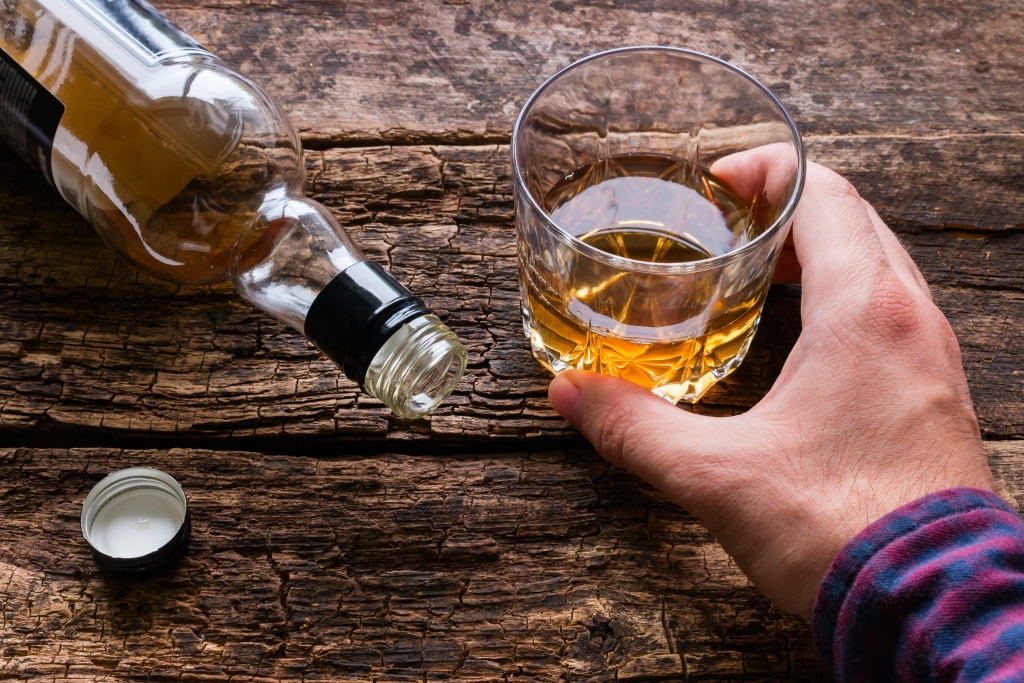
Based on the classification of relapse determinants and high-risk situations proposed in the RP model, numerous treatment components have been developed that are aimed at helping the recovering alcoholic cope with high-risk situations. The results of recent research, particularly the RREP study, likely will lead to modifications of the original RP model, particularly with regard to the assessment of high-risk situations as well as the conceptualization of covert and immediate antecedents of relapse. Overall, however, research findings support both the abstinence violation effect overall model of the relapse process and the effectiveness of treatment strategies based on the model.
Competencies for Recovery-Oriented Counseling
- Conversely, people with low self-efficacy perceive themselves as lacking the motivation or ability to resist drinking in high-risk situations.
- Instead of surrendering to the negative spiral, individuals can benefit from reframing the lapse as a learning opportunity and teachable moment.
- Among social variables, the degree of social support available from the most supportive person in the network may be the best predictor of reducing drinking, and the number of supportive relationships also strongly predicts abstinence.
- The following section reviews selected empirical findings that support or coincide with tenets of the RP model.
Some researchers propose that the self-control required to maintain behavior change strains motivational resources, and that this “fatigue” can undermine subsequent self-control efforts 78. Consistent with this idea, EMA studies have shown that social drinkers report greater alcohol consumption and violations of self-imposed drinking limits on days when self-control demands are high 79. Limit violations were predictive of responses consistent with the AVE the following day, and greater distress about violations in turn predicted greater drinking 80. Findings also suggested that these relationships varied based on individual differences, suggesting the interplay of static and dynamic factors in AVE responses. Evidence further suggests that practicing routine acts of self-control can reduce short-term incidence of relapse. For https://www.vaspa.in/alcohol-and-anxiety-causes-risks-and-treatment/ instance, Muraven 81 conducted a study in which participants were randomly assigned to practice small acts self-control acts on a daily basis for two weeks prior to a smoking cessation attempt.
When do Habits Become Addictions?
An additional concern is that the lack of research supporting the efficacy of established interventions for achieving nonabstinence goals presents a barrier to implementation. Perspectives from these key stakeholders could provide new and important insights from daily practice on predictors of relapse in weight loss maintenance behaviors, which can inform future relapse prevention interventions. We therefore aimed to identify predictors of relapse in physical activity and dietary behavior, from the perspective of health practitioners who coach individuals during their weight loss process and the perspective of individuals who have experienced relapses themselves. In addition, we aimed alcoholism symptoms to identify possible new predictors of relapse in physical activity and dietary behavior beyond existing knowledge, using concept mapping.